Limits don't exist
...if you don't know what they are 😎

Ignorance is bliss 🕊️
Sharm swam for over fifteen years at the national level, competed for UCLA, and qualified for the US Olympic Team.
If you know anything about the pipeline that produces that kind of swimmer, you know how improbable her path was.
Swimming is one of those sports people treat as high barrier to entry before they’ve even touched the water. Parents spend thousands on private lessons. Competitive athletes spiral after a 15-hour training week wondering if it was enough. The limits pile on before you’ve had a chance to find out what you’re actually capable of.
Sharm didn’t grow up in that world. She grew up in the Caribbean, moving around constantly since her father worked for the UN.
When she was 8, she wanted a sleepover with her friends. Every single one of them said no.
They had swim practice in the morning.
So she signed up for the swim team.
Not for college prospects. Not for athletic development. To spend time with her friends. Once she was in the water, she became fascinated by it. How to feel it. How to move through it faster. She taught herself butterfly through intuition, through pure curiosity.
Fifteen years of elite swimming followed. But that was never the point.
Limits don’t exist if you don’t know what they are.
Interestingly enough, neuroscience tells us that when curiosity drives learning, the brain’s reward system activates alongside the hippocampus (the structure most responsible for memory consolidation).
We don’t just enjoy learning more when we’re curious: we retain more, encode more deeply, and build skills faster.
The notion of “Beginner’s mind,” approaching every experience with openness rather than the weight of what you already know, has existed as a core principle in Buddhism for centuries.
Hmmm… maybe the same truth showing up in neuroscience and ancient contemplative practice is worth paying attention to 🤔
I’ll be honest about my own version of this, because it’s less flattering.
I tend to reverse-engineer desire.
If I learn the fundamentals of AI research now, I could build a better product and maybe one day, a full on company, which then leads to financial independence, philanthropic impact, yada yada yada you name it.
Follow the chain far enough and any present action feels justified. It sounds like intrinsic motivation.
It isn’t.
It’s extrinsic motivation wearing intrinsic clothing.
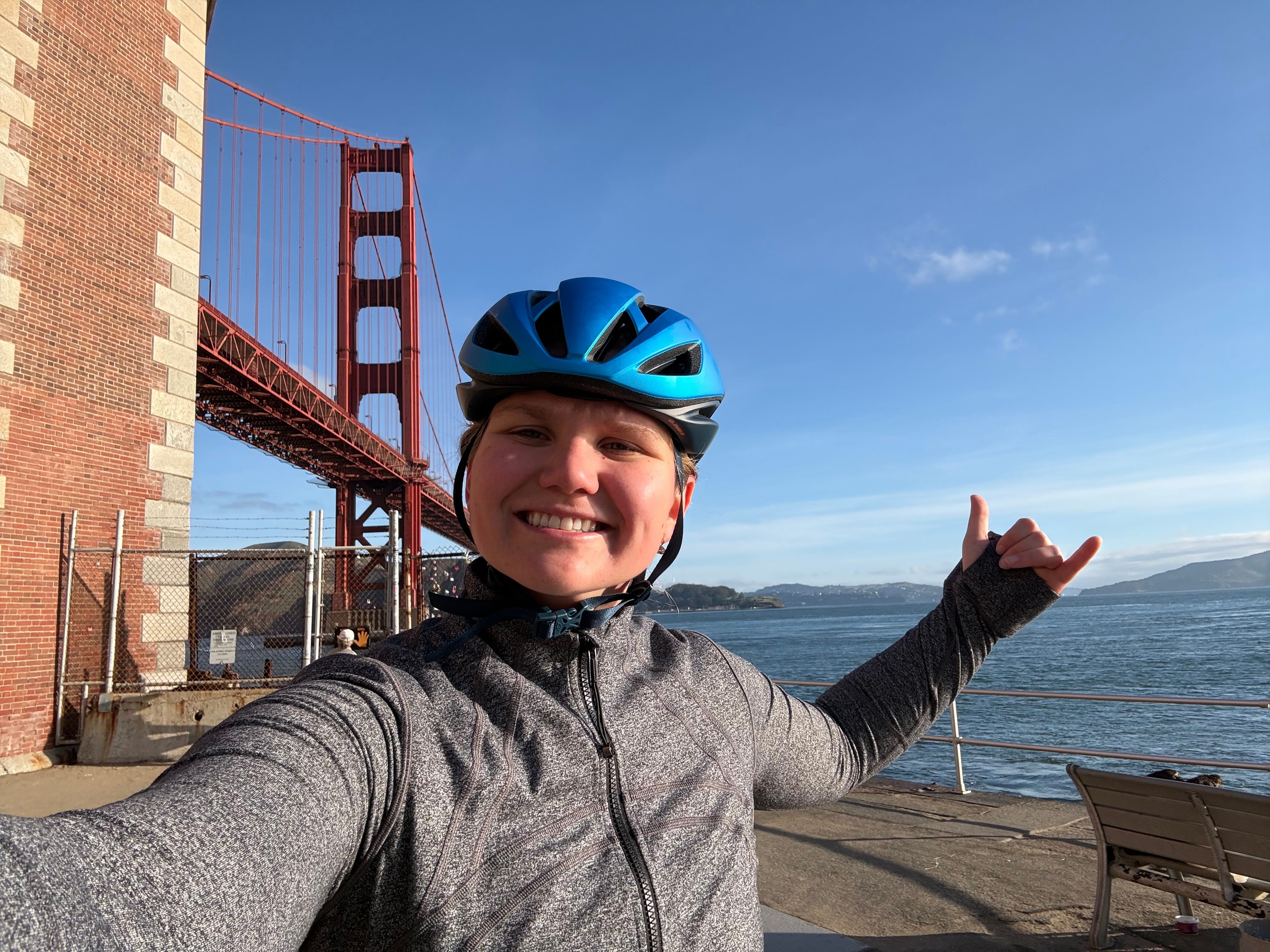
A few weeks ago my friend invited me to join a 100-mile bike ride she’s planning as a milestone for her Ironman later in September. My foot’s been recovering from Achilles tendonitis, ruling out my ability to partake in any of the fun (masochistic) running activities with her (marathon, ultras, the like), but I can cycle. And I wanted to spend time with her.
So I said yes and bought a road bike.
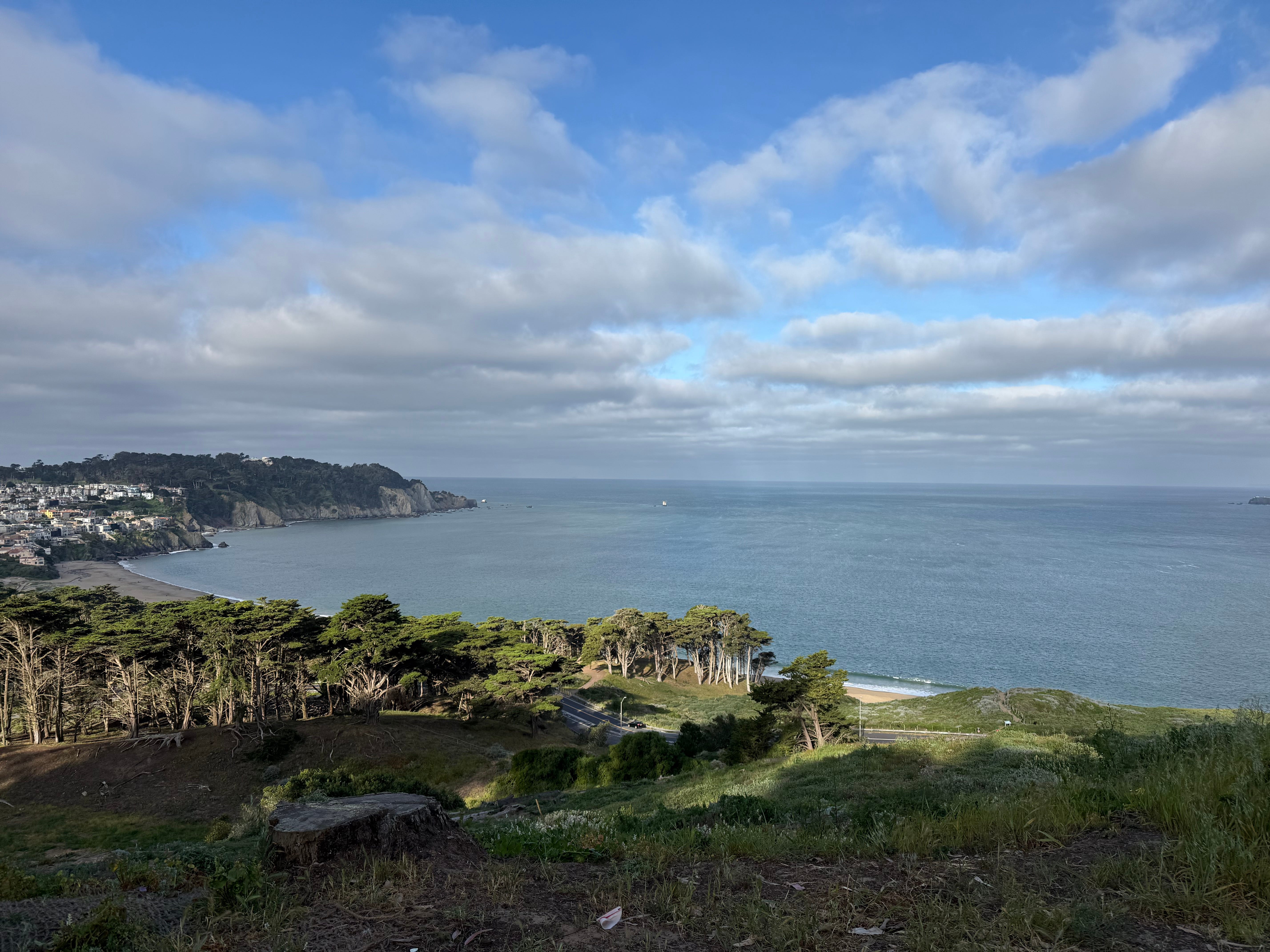
This past weekend I rode 35 miles north past the Golden Gate Bridge for the first time. Mountains, woods, coastline I would never have seen from inside a gym or spending an extra hour asleep.
I was present, not considering if these actions will ever amount to anything more.
I'm still figuring out how to apply this to the parts of my life that feel higher stakes.
The bike stuff is easy.
Lessening the stakes while increasing the curiosity can uncover answers to bigger questions: purpose, career, what it means to build a life you're proud of.
That's harder.
But I'm getting better at it. After all, the limits don't exist if I stop thinking about what they are.